CPTPP Work Permit Eligible Countries. Who Can Work in Canada? Learn With Work Permit Canada
The Comprehensive and Progressive Agreement for Trans-Pacific Partnership (CPTPP) creates opportunities for certain foreign professionals, technicians, investors and employees of multinational companies to work temporarily in Canada without a Labour Market Impact Assessment (LMIA).
But one of the most common questions is also one of the most important: Which countries qualify for a CPTPP work permit in Canada? The answer requires more than checking a country’s membership in the agreement.
The CPTPP work permit eligible countries have different commitments covering different categories of business people. An applicant’s nationality, occupation, qualifications and proposed Canadian activities all affect eligibility.
At Work Permit Canada, we assist foreign nationals and Canadian employers with assessing these requirements and preparing eligible LMIA-exempt work permit applications.
Have a Canadian employment opportunity?
Which Countries Are Eligible for CPTPP Work Permits?
Canada’s CPTPP temporary-entry provisions apply to qualifying nationals of participating countries, including Australia, Brunei, Chile, Japan, Malaysia, Mexico, New Zealand, Peru, Singapore and Vietnam. Certain Australian and New Zealand permanent residents may also qualify under applicable provisions.
However, the available work permit categories differ by country. For example, Canada has commitments for professionals from certain CPTPP countries but not necessarily every participating country.
Technician provisions are more limited. Intra-corporate transferees and investors are also subject to country-specific commitments.
The official Global Affairs Canada CPTPP chapter summary explains these differences.
CPTPP membership alone does not establish eligibility for a particular Canadian work permit category.

CPTPP Professional Work Permits
The professional category is relevant to applicants seeking temporary professional employment or qualifying service arrangements in Canada.
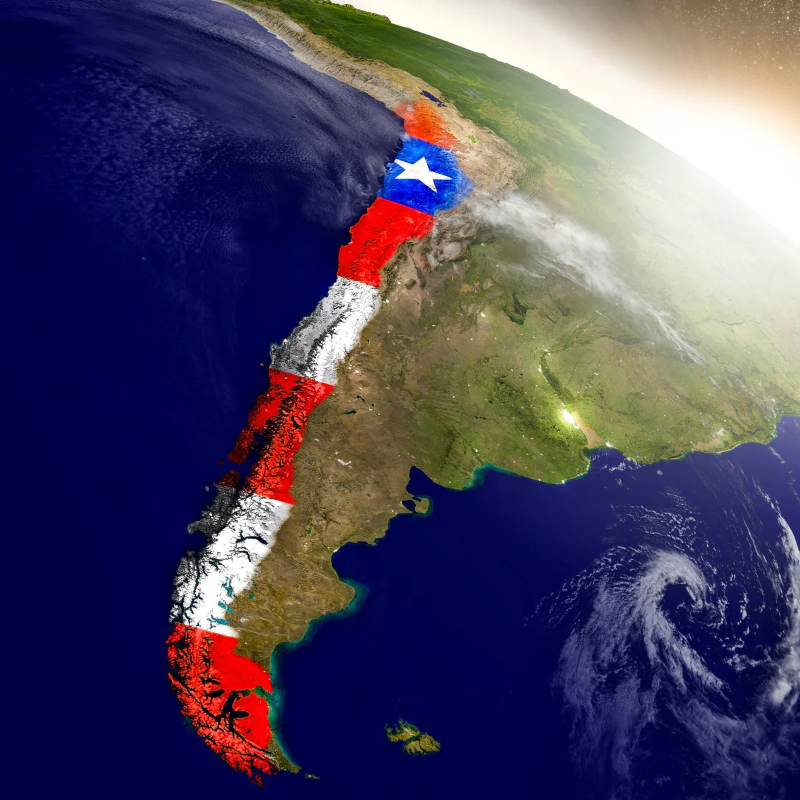
Under Canada’s CPTPP commitments, professional access is available for qualifying nationals of Australia, Brunei, Chile, Japan, Malaysia, Mexico and Peru.
The applicant must meet the occupational and educational requirements applicable to their nationality.
Professional occupations generally involve specialized theoretical and practical knowledge.
However, the agreement excludes specified fields, and the occupational commitments are not identical across countries.
For example, a professional from Mexico may need to be assessed under different commitments than an applicant from Japan.
A qualifying Canadian employment arrangement is also generally required.
What Does This Mean for Applicants?
An applicant should not simply search for a list of CPTPP countries and assume they qualify.
Instead, the eligibility review should answer three questions:
Does Canada have a relevant professional commitment for the applicant’s country?
Is the proposed occupation covered?
Does the applicant meet the education, experience and remuneration requirements?
Only after these questions are answered should the work permit application be prepared.

CPTPP Technician Work Permits
The technician category is especially important for employers recruiting specialized technical workers.
Canada has CPTPP technician commitments for qualifying nationals of Australia, Chile, Japan, Mexico and Peru.
The category covers specified occupations rather than all technical positions.
Depending on the country, potentially eligible occupations include certain engineering technologists, industrial technicians, construction-related technical positions and other listed occupations.
Applicants generally need appropriate technical education, relevant paid work experience, qualifying pre-arranged employment and remuneration consistent with the applicable requirements.
For many qualifying technician applications, the requirements include a technical or post-secondary qualification involving at least two years of study and four years of paid experience in the relevant sector.
Additional occupation-specific requirements may apply.
A job title such as “technician” is not enough.
The actual responsibilities must correspond to an eligible occupation under the relevant country’s commitments.
Canadian employers should assess the proposed position before assuming CPTPP provides an LMIA exemption.
CPTPP Intra-Corporate Transfers
The CPTPP also facilitates qualifying employee transfers between related companies operating internationally.
This category can be relevant for businesses expanding into Canada or transferring personnel to an existing Canadian operation.
Canada’s commitments for executives and managers cover several CPTPP countries, while commitments for specialists and management trainees differ.
The applicant must generally demonstrate a qualifying corporate relationship and meet the relevant previous-employment and position requirements.
For example, a Japanese company expanding into Vancouver may need to transfer an experienced manager to support its Canadian operations.
The proposed transfer may qualify where the company and employee satisfy the applicable provisions.
Our Intra-Company Transfer Work Permit Canada service provides further information.
CPTPP Investor Work Permits
Certain eligible investors may qualify to enter Canada to establish, develop or administer a qualifying investment.
Canada has CPTPP investor commitments involving Australia, Brunei, Chile, Japan, Mexico, Peru, Singapore and Vietnam.
The proposed investment must meet the relevant requirements, including those concerning substantial capital and the applicant’s qualifying role.
Not every business owner qualifies.
A person registering a Canadian corporation without a qualifying investment and role should not assume that CPTPP provides work authorization.
Investors may also wish to assess other Entrepreneur Work Permit Canada options.

What About Singapore, Vietnam and Other CPTPP Countries?
This is where country-specific assessment becomes especially important.
A country may have access to certain business-mobility provisions without having the same professional or technician commitments as another CPTPP participant.
For example, Canada has investor commitments for Singapore and Vietnam, but those commitments should not be confused with the professional and technician commitments available to other countries.
Similarly, the availability of business-visitor provisions does not mean that every visitor can undertake paid employment in Canada.
Applicants should review the specific commitments for their country and proposed activities.
IRCC’s business people under free trade agreements guidance is a useful starting point.
What Documents Are Needed for a CPTPP Work Permit?
Documentation depends on the category.
A professional or technician may need evidence of qualifying nationality, an employment offer or service agreement, educational credentials, employment history and professional licensing.
An intra-company transferee may need corporate ownership records, evidence of the relationship between the companies and proof of previous employment.
An investor may need investment documents, business records and evidence of the proposed Canadian role.
For most employer-specific LMIA-exempt work permits, the Canadian employer must also satisfy applicable Employer Portal and compliance requirements.
The IRCC Employer Portal user guide explains the general process.
Check Your CPTPP Eligibility Before Applying
Understanding the CPTPP work permit eligible countries is only the beginning. The decisive questions are whether the applicant’s nationality, occupation, qualifications and Canadian employment or business arrangement meet the relevant commitments.
At Work Permit Canada, we assist professionals, technicians, employers and international businesses with CPTPP eligibility assessments and work permit applications. Explore our CPTPP Work Permit Canada service or speak with our RCIC, Mathai George Nooranal, Licence R712642.
Call +1 604 902 6356 or email info@workpermitcanada.ca.
Contact Work Permit Canada to discuss your application.